

- On July 22, 2016
- 0
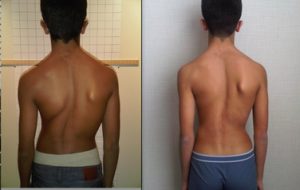
What Is Scoliosis?
Did you know that approximately 3% of children worldwide are affected by scoliosis? Scoliosis is a condition where the spine develops an abnormal sideways curve. In many cases, it is classified as “idiopathic,” meaning we still don’t fully understand why it develops.
For families and clinicians alike, this uncertainty has made scoliosis a challenging condition to prevent and treat.
Emerging Research: The Role of Cerebrospinal Fluid (CSF)
Recent research has started to explore new possible explanations. One fascinating study found that a disruption in the flow of cerebrospinal fluid (CSF) may contribute to the development of idiopathic scoliosis in zebrafish.
So what does that mean?
In this study, when CSF flow was restored in the zebrafish, the spinal curves were also corrected. While this is early-stage research and not yet proven in humans, it opens an interesting potential pathway for understanding spinal development and scoliosis.
What This Could Mean for Humans
Although we are not fish, the basic biological structures involved in spinal health are surprisingly similar across species. This research raises the question: could restoring healthy CSF flow also influence spinal alignment in humans?
While more studies are needed, it highlights the importance of looking beyond just bones and muscles when considering scoliosis and spinal health.
The Role of the Dura and Nervous System Mobility
To understand how physiotherapy may play a role, we need to look at the dura mater. The dura is a tough protective layer that surrounds the brain, spinal cord, and nerves, and it is closely connected to the flow of CSF.
Within the spine, there are areas where the dura can become restricted or “caught,” reducing its ability to glide and move freely. These restrictions may influence tension patterns throughout the body.
How Physiotherapy May Help with Scoliosis-Related Tension
Through skilled hands-on physiotherapy treatment, it may be possible to address areas where the dura and surrounding tissues are restricted. By improving mobility and reducing tension through the nervous system, we aim to support more natural movement and alignment throughout the spine.
While physiotherapy does not “cure” scoliosis, it may play a valuable role in supporting comfort, mobility, and overall spinal function.
Thank You, Zebrafish
So, thank you zebrafish—for giving researchers new ways to think about spinal development, and for opening the door to future possibilities in scoliosis research and care.
0 comments on Scoliosis And Zebrafish!