- On August 3, 2026
- 0
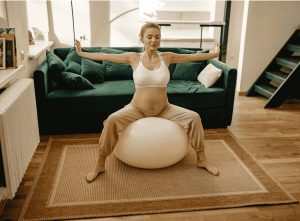 Bringing a new baby home changes everything, including your relationship with exercise. If you’re wondering when and how to start working out postpartum, you’re not alone. Between healing, hormone shifts, sleep deprivation, and simply finding a spare ten minutes, easing back into movement can feel overwhelming. The good news is that with the right approach, working out postpartum can help you rebuild strength, boost your energy, and support your mental health during one of the most demanding seasons of life.
Why Postpartum Exercise Matters
Your body just accomplished something extraordinary, and it deserves a thoughtful recovery process. Working out postpartum isn’t about “bouncing back” or chasing your pre-pregnancy body, it’s about rebuilding a strong, functional foundation. Gentle, progressive movement can help:
- Restore core and pelvic floor strength
- Improve posture (especially helpful with all that baby-carrying and nursing)
- Support healthy circulation and reduce swelling
- Restoring normal belly breathing
- Boost mood and reduce symptoms of postpartum anxiety or depression
- Rebuild stamina for the physical demands of caring for a newborn
When to Start
Every recovery timeline is different. Most healthcare providers recommend waiting for medical clearance at your six-week postpartum checkup before resuming structured exercise, though gentle movement like walking or breathing exercises can often begin much sooner. If you had a cesarean, complications, or a more difficult delivery, your timeline may be longer. Always get the green light from your doctor, midwife, or physiotherapist before diving back in.
How to Ease Back In Safely
- Start with the basics. Diaphragmatic breathing and gentle pelvic floor activation lay the groundwork before you add load or intensity.
- Prioritize your core and pelvic floor. Many postpartum bodies deal with some degree of diastasis recti or pelvic floor weakness. Working with a postpartum-informed trainer or pelvic floor physiotherapist can help you avoid exercises that make these issues worse.
- Walk before you run. Literally! Walking is one of the most underrated tools for working out postpartum: it’s low-impact, flexible around nap schedules, and builds a base of cardiovascular fitness.
- Listen to your body. Increased bleeding, heaviness or pressure in the pelvic floor, or pain are all signs to scale back and check in with a professional.
- Be patient with progress. Strength, energy, and stamina will return, but healing isn’t linear, especially with interrupted sleep and the demands of caring for a baby.
Common Mistakes to Avoid
- Jumping back into high-intensity workouts too soon
- Ignoring core and pelvic floor rehab in favor of “get back in shape fast” programs
- Comparing your recovery to someone else’s timeline
- Skipping professional guidance when something doesn’t feel right
Building a Sustainable Routine
The most effective approach to working out postpartum is one that fits realistically into your new life. That might mean short 15-20 minute sessions during naptime, workouts you can do with baby nearby, or classes designed specifically for postpartum bodies. Consistency matters far more than intensity in these early months, small, regular sessions build momentum and confidence over time.
If you’re feeling unsure about where to start, you don’t have to figure it out alone. Our team is here to help you create a safe, personalized plan for working out postpartum that respects where your body is right now and builds toward where you want to go. If you’re in Kingston, ON, we’d love to support you on this journey, book an appointment with us today and take the first step toward feeling strong, energized, and like yourself again.
0 comments on Working Out Postpartum: A Safe, Realistic Guide for New Moms