

- On July 2, 2026
- 0
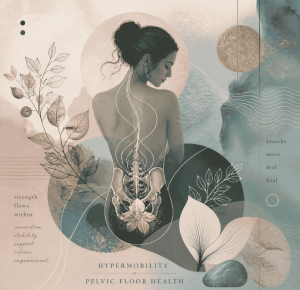 If you live with Ehlers-Danlos Syndrome (EDS), you already know that joint pain, dislocations, and fatigue are just part of the picture. What many people don’t realize is that EDS can also have a major impact on the pelvic floor, leading to symptoms like incontinence, pelvic pain, constipation, or a feeling of heaviness or pressure in the pelvis. These symptoms are common, but they are not something you have to simply live with. Pelvic floor physiotherapy, especially when delivered by a clinician who understands connective tissue disorders, can make a real difference.
What Is Ehlers-Danlos Syndrome?
Ehlers-Danlos Syndrome is a group of connective tissue disorders caused by changes in collagen production or structure. Collagen is the protein that gives strength and elasticity to skin, ligaments, tendons, blood vessels, and organs throughout the body. When collagen doesn’t form or function typically, tissues throughout the body, including joints, skin, and internal organs — can become more fragile, stretchy, or unstable.
The most common subtype, hypermobile EDS (hEDS), is characterized by joint hypermobility, chronic pain, frequent subluxations or dislocations, and a wide range of other symptoms that can affect nearly every system in the body, including the digestive, urinary, and reproductive systems. Want to understand even more about EDS? Read our post here!
Why Does EDS Affect the Pelvic Floor?
The pelvic floor is a group of muscles, ligaments, and connective tissue that supports the bladder, uterus, and rectum, while also playing a key role in continence, sexual function, and core stability. Because this entire structure relies heavily on connective tissue, it makes sense that EDS can significantly affect how the pelvic floor functions. Some of the most common reasons include:
Tissue laxity and reduced support.
Looser connective tissue can mean less structural support for pelvic organs, which increases the risk of pelvic organ prolapse — a sensation of heaviness, bulging, or pressure in the vagina or pelvis.
Joint instability and compensation.
Many people with EDS unconsciously grip or overuse their pelvic floor muscles to compensate for instability elsewhere in the hips, pelvis, or spine. Over time, this can lead to an overactive or tense pelvic floor, which paradoxically causes pain, urinary urgency, constipation, and difficulty fully relaxing or emptying the bladder or bowel.
Autonomic and digestive involvement.
EDS frequently overlaps with conditions like dysautonomia and gastrointestinal dysmotility, which can contribute to bloating, constipation, and altered bladder or bowel sensation — all of which place additional strain on pelvic floor muscles.
Pain sensitization.
Chronic pain is common in EDS, and the nervous system can become more sensitized over time. This can lower the threshold for pelvic pain and make muscles guard or tighten protectively, even when there’s no ongoing tissue damage.
Common Pelvic Floor Symptoms in People with EDS
People with EDS who experience pelvic floor dysfunction often describe one or more of the following:
- Urinary urgency, frequency, or leakage (incontinence)
- Difficulty fully emptying the bladder or bowel
- Chronic constipation or straining
- Pelvic pain, pressure, or a feeling of heaviness
- Pain with intercourse
- A sensation of pelvic organ prolapse
- Low back, hip, or sacroiliac joint pain that seems connected to pelvic symptoms
These symptoms can vary in intensity day to day, which is consistent with the unpredictable nature of EDS itself.
How Pelvic Floor Physiotherapy Can Help
Pelvic floor physiotherapy is one of the most effective, evidence-supported, non-surgical approaches for managing pelvic floor dysfunction — and it can be especially valuable for people with EDS when the approach is tailored to connective tissue disorders. Here is more information about Pelvic Floor Physiotherapy. Here’s how it typically helps:
A thorough, individualized assessment.
A pelvic floor physiotherapist will look at how your pelvic floor muscles are functioning — whether they’re overactive, underactive, or both — as well as how your hips, spine, and breathing patterns are contributing to your symptoms. For people with EDS, this assessment also takes joint hypermobility and tissue fragility into account.
Down-training an overactive pelvic floor.
If your pelvic floor muscles are gripping or tense, treatment often focuses on relaxation techniques, breathing strategies, and gentle manual therapy to help the muscles lengthen and release, rather than jumping straight to strengthening exercises that could make tension worse.
Gentle, joint-protective strengthening.
When weakness or lack of support is contributing to symptoms like prolapse or incontinence, your physiotherapist will guide you through pelvic floor and core exercises designed with hypermobility in mind — avoiding excessive joint loading or overstretching.
Bladder and bowel retraining.
Practical strategies for managing urgency, constipation, and incomplete emptying can significantly improve daily comfort and confidence.
Whole-body movement and postural strategies.
Because EDS affects the entire body, treatment often extends beyond the pelvis to include hip, spine, and core stability work that reduces compensatory strain on the pelvic floor.
Education and self-management tools.
Understanding your own body — including how connective tissue laxity affects movement, posture, and pelvic support — empowers you to manage symptoms more confidently between sessions.
Many people are surprised at how much relief is possible once the right combination of strategies is in place. While EDS itself isn’t curable, pelvic floor dysfunction related to it is very often manageable and improvable with the right care.
You Don’t Have to Navigate This Alone
Living with EDS already means managing a lot, and pelvic floor symptoms can feel like one more frustrating piece of an already complicated puzzle. The good news is that you don’t have to figure it out by yourself. With a thoughtful, individualized approach, pelvic floor physiotherapy can help you feel more comfortable, more confident, and more in control of your body. If you’re in Kingston, ON and dealing with pelvic pain, incontinence, prolapse symptoms, or other pelvic floor concerns related to EDS or joint hypermobility, we’d love to help. Book an appointment with our Kingston, ON clinic today and take the next step toward feeling better in your body.
0 comments on Ehlers-Danlos Syndrome and Pelvic Floor Dysfunction: How Pelvic Floor Physiotherapy Can Help