

- On August 7, 2026
- 0
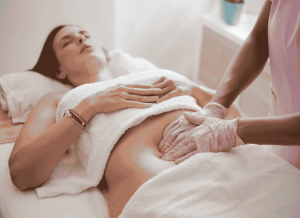 Have you noticed a bulge or ridge running down the middle of your stomach when you sit up, lift something heavy, or exercise? You may have diastasis recti, a common condition that many people don’t realize they have—or that effective treatment is available.
In this article, we’ll explain what diastasis recti is, review the most common symptoms, and explore how pelvic floor physiotherapy can help you regain strength, function, and confidence.
What Is Diastasis Recti?
Diastasis recti, also known as abdominal separation, occurs when the two sides of the rectus abdominis (your “six-pack” muscles) separate along the linea alba, the connective tissue that runs down the middle of your abdomen.
During pregnancy, the growing uterus naturally stretches the abdominal wall to make room for your baby. As a result, the connective tissue can become thinner and wider. For many people, this separation gradually improves in the weeks and months after delivery. However, for a significant number of individuals, the gap persists long after the postpartum period.
Although diastasis recti is most commonly associated with pregnancy and childbirth, it isn’t limited to new parents. It can also develop from:
- Repeated heavy lifting
- Chronic straining (such as from constipation or persistent coughing)
- Significant weight fluctuations
- Improper core training techniques
- Activities that repeatedly increase pressure within the abdomen
Common Symptoms of Diastasis Recti
Diastasis recti affects everyone differently. Some people notice a visible change in their abdomen, while others experience pain, weakness, or pelvic floor symptoms.
Common signs include:
- A visible bulge or “doming” down the middle of the abdomen, especially when sitting up, coughing, or performing core exercises.
- A soft gap or ridge that can be felt between the abdominal muscles.
- A persistent postpartum belly (“mummy tummy”) that doesn’t improve despite exercise and healthy eating.
- Lower back pain caused by reduced core support and increased strain on the back muscles.
- Pelvic pain or a feeling of instability through the core and pelvis.
- Difficulty activating your abdominal muscles or feeling that your core is “weak.”
- Poor posture or fatigue when standing for long periods.
- Bladder leakage or other pelvic floor symptoms, as the abdominal wall and pelvic floor function together as one system.
- Digestive discomfort or bloating, which may occur when the abdominal wall provides less support for the abdominal organs.
If several of these symptoms sound familiar, it’s worth having an assessment. Diastasis recti is common, but it’s not something you simply have to live with.
How Pelvic Floor Physiotherapy Can Help
The good news is that diastasis recti responds well to conservative treatment, and pelvic floor physiotherapy is one of the most effective evidence-based approaches.
Here’s what you can expect during treatment:
1. A Comprehensive Assessment
Your pelvic floor physiotherapist will assess more than just the width of the separation. They’ll evaluate:
- The width and depth of the gap
- The quality and tension of the connective tissue
- How well your deep core muscles are functioning
- Pelvic floor muscle coordination
- Your breathing mechanics, posture, and movement patterns
This comprehensive assessment helps identify the underlying factors contributing to your symptoms.
2. A Personalized Rehabilitation Program
Not all abdominal exercises are helpful for diastasis recti—in fact, some can increase pressure on the abdominal wall and make symptoms worse.
Instead, your physiotherapist will design a program tailored to your body and goals, focusing on:
- Deep core activation
- Transverse abdominis strengthening
- Pelvic floor coordination
- Functional movement retraining
The goal isn’t simply to “close the gap.” It’s to restore strength, improve tension through the connective tissue, and help your core function effectively during everyday activities.
3. Breathing and Pressure Management
Managing intra-abdominal pressure is one of the most important parts of recovery.
You’ll learn how to coordinate your breathing during activities like:
- Lifting your child
- Carrying groceries
- Getting out of bed
- Exercising
- Coughing or sneezing
These strategies reduce unnecessary strain on the abdominal wall while improving overall core function.
Breathing mechanics also influence posture, movement, and overall wellness. Read more about how your breathing affects your body in our article on Why Can’t I Take a Deep Breath?
4. Whole-Body Treatment
Diastasis recti rarely exists in isolation.
Many people with abdominal separation also experience pelvic floor dysfunction, back pain, hip pain, or postural changes. Your physiotherapist will address the entire kinetic chain, not just your abdomen, to improve how your body moves and functions as a whole.
5. Progressive Return to Activity
Recovery doesn’t end once your symptoms improve.
As your strength and confidence grow, your physiotherapist will safely progress your exercises so you can return to the activities you enjoy, whether that’s lifting your children, running, strength training, or competitive sport.
If you’re planning to return to exercise after pregnancy, check out our guide on Working Out with Diastasis Recti to learn how to do so safely.
You Don’t Have to Live with Diastasis Recti
Many people assume that abdominal separation is simply something they have to accept after pregnancy. Fortunately, that’s not the case.
With the right assessment and a personalized rehabilitation program, it’s possible to improve your core strength, reduce symptoms, and return to the activities you love with confidence.
If you’re experiencing symptoms of diastasis recti and live in the Kingston, Ontario area, our pelvic floor physiotherapists are here to help. We’ll provide a thorough assessment, answer your questions, and develop a treatment plan that’s tailored to your goals.
Book an appointment today and take the first step toward a stronger, more functional core.
Frequently Asked Questions About Diastasis Recti
Can diastasis recti heal on its own?
For many people, especially during the first few months after pregnancy, the abdominal muscles and connective tissue naturally regain some tension. However, not everyone experiences a full recovery. If you’re still noticing abdominal separation, doming, core weakness, or pelvic floor symptoms several months postpartum, a pelvic floor physiotherapy assessment can help determine whether treatment would be beneficial.
How do I know if I have diastasis recti?
Common signs include a visible bulge or “doming” down the middle of your abdomen, a gap that you can feel between your abdominal muscles, persistent core weakness, lower back pain, or difficulty engaging your core during exercise.
While you can perform a basic self-check at home, it’s best to have a pelvic floor physiotherapist assess your abdominal wall. They can evaluate not only the width of the separation, but also the quality of the connective tissue and how well your core muscles are functioning together.
Can diastasis recti cause back pain?
Yes. Your abdominal muscles play an important role in supporting your spine. When the core isn’t functioning optimally, the muscles of the lower back often compensate, which can contribute to pain or fatigue. Strengthening your deep core muscles and improving movement patterns can often reduce these symptoms.
Is diastasis recti the same as a hernia?
No. Although they can sometimes look similar, they are different conditions.
Diastasis recti is a widening of the connective tissue between the abdominal muscles. A hernia occurs when tissue or part of an organ pushes through a weakness or opening in the abdominal wall.
A physiotherapist or physician can assess your symptoms and determine whether further medical evaluation is needed.
What exercises should I avoid if I have diastasis recti?
There isn’t a universal list of “bad” exercises. Instead, the key is whether an exercise creates excessive pressure through the abdominal wall or causes visible doming or bulging.
Early in rehabilitation, your physiotherapist may recommend modifying activities such as:
- Traditional sit-ups or crunches
- Aggressive twisting exercises
- Heavy lifting without proper core engagement
- High-impact activities that you aren’t yet prepared for
Rather than avoiding these movements forever, the goal is to build the strength and coordination needed to perform them safely.
Can I still exercise if I have diastasis recti?
Absolutely. In most cases, staying active is encouraged. The focus is on choosing exercises that support healing rather than increasing strain on the abdominal wall.
A pelvic floor physiotherapist can help you modify your workouts while rebuilding your core strength so you can safely return to the activities you enjoy.
How long does it take to recover from diastasis recti?
Recovery varies from person to person and depends on factors such as the severity of the separation, connective tissue quality, activity level, and consistency with rehabilitation.
Many people notice improvements within several weeks of following a personalized exercise program, while more significant recovery often takes several months. Your physiotherapist will adjust your treatment plan as your strength and function improve.
Can pelvic floor physiotherapy really help?
Yes. Pelvic floor physiotherapy is considered one of the most effective conservative treatments for diastasis recti.
Treatment goes beyond simply trying to “close the gap.” Your physiotherapist will help improve core function, breathing mechanics, pressure management, posture, and movement patterns so you can move with greater strength and confidence during everyday activities and exercise.
0 comments on Diastasis Recti: Symptoms, Causes, Treatment & Pelvic Floor Physiotherapy