

- On March 28, 2026
- 0
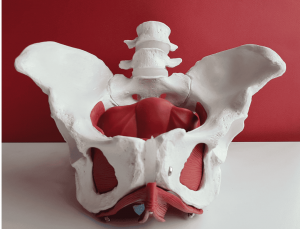
Breathing is something you do all day, every day, but most people don’t realize how closely it’s connected to their pelvic floor.
If you’re dealing with symptoms like leaking, pelvic pain, or core weakness, your breathing pattern may be playing a bigger role than you think.
At Move Authentically Physiotherapy, we often address breathing and pelvic floor function together as part of a whole-body, external approach to care.
The Connection Between Breathing and the Pelvic Floor
Your pelvic floor doesn’t work in isolation. It’s part of a coordinated system that includes:
- Your diaphragm (your main breathing muscle)
- Your abdominal muscles
- Your deep core system
When you breathe well, these systems work together naturally.
- As you inhale, your diaphragm moves downward and your pelvic floor gently lengthens
- As you exhale, your pelvic floor gently contracts and lifts
This subtle movement helps regulate pressure, support your spine, and maintain control.
What Happens When Breathing Is Off?
Many people develop breathing patterns that don’t support this system—often without realizing it.
Common patterns include:
- Shallow chest breathing
- Constant abdominal bracing
- Holding your breath during movement or exercise
Over time, this can lead to:
- Increased pressure on the pelvic floor
- Poor coordination between muscles
- Pelvic floor tension or weakness
- Ongoing symptoms that don’t fully resolve
This is why addressing breathing is often a key part of pelvic floor physiotherapy.
Common Symptoms Linked to Breathing Dysfunction
You might not immediately connect these symptoms to your breathing, but they’re often related:
- Urinary leakage (especially with effort or exercise)
- Pelvic pain or discomfort
- Core weakness or instability
- Low back or hip pain
- Feeling like you can’t properly engage your core
If you’ve been trying to “strengthen” without success, breathing may be the missing piece. Wondering what Breathing Pattern Disorder is? Discover what Breathing Dysfunction is and what you can do about it.
How Physiotherapy Can Help
At Move Authentically Physiotherapy, we take an external, whole-body approach to pelvic health, breathing is a central part of that.
Treatment may include:
1. Breathing Retraining
We help you shift from shallow or restricted breathing to a more efficient pattern that supports your pelvic floor. Here are a few exercises you could try right away!
2. Pressure Management
You’ll learn how to manage pressure during everyday movements like lifting, bending, and exercise.
3. Coordination of the Core System
We guide you in syncing your breath with your pelvic floor and deep core muscles.
4. Reducing Over-Tension
For many people, the goal isn’t more strength—it’s learning how to let go of unnecessary tension.
What Makes This Approach Different?
Many pelvic floor programs focus heavily on strengthening exercises.
At our clinic, we recognize that:
- Not all pelvic floor issues are due to weakness
- Breathing and coordination are often more important than strength alone
- Lasting results come from addressing how your body works as a system
All treatment is done externally, making it a comfortable and accessible option.
Breathing and Pelvic Floor Physiotherapy in Kingston
If you’re dealing with pelvic floor symptoms that haven’t improved—or you feel like something is missing in your recovery—your breathing pattern may be an important piece of the puzzle.
You can learn more about our approach to pelvic floor physiotherapy in Kingston here 👉 Pelvic Floor Health
Start Feeling the Difference
Improving your breathing isn’t just about relaxation, it can change how your entire body functions.
If you’re looking for a more complete, effective approach to pelvic health, we’re here to help.
Book your appointment today and start reconnecting your breathing, core, and pelvic floor.
FAQ
Can breathing really affect pelvic floor symptoms?
Yes! Breathing plays a key role in pressure regulation and muscle coordination, both of which directly impact pelvic floor function.
Should I be doing Kegels?
Not always. Some people actually need to focus on relaxation and coordination before strengthening. We have a great article on how to know more about whether your pelvic floor is tight or weak or both.
Is this approach suitable for everyone?
Yes. Breathing-based pelvic floor therapy is a safe, effective starting point for many individuals.
0 comments on How Breathing Affects Your Pelvic Floor: Why It Matters More Than You Think