

- On May 29, 2026
- 0
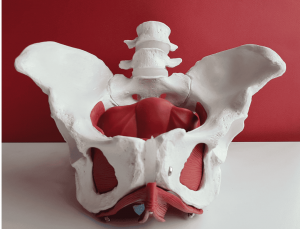 For many people, booking a pelvic floor physiotherapy appointment can feel a little intimidating, especially if you are not entirely sure what pelvic floor physio involves. You may be wondering what happens during an appointment, whether treatment will be uncomfortable, or if your concerns are “serious enough” to seek help.
At Move Authentically Physiotherapy, we want patients to know that pelvic floor physiotherapy is meant to be a supportive, collaborative, and inclusive experience. Our goal is to help you feel comfortable, informed, and respected throughout your care.
Pelvic Floor Physiotherapy Is About More Than Kegels
One of the biggest misconceptions about pelvic floor physiotherapy is that it only focuses on strengthening muscles with Kegel exercises. In reality, pelvic floor physiotherapy addresses a wide range of symptoms and conditions involving the muscles, joints, nerves, breathing patterns, and connective tissues of the pelvis.
People seek pelvic floor physiotherapy for many reasons, including bladder urgency, leaking, constipation, pelvic pain, painful intercourse, postpartum recovery, prolapse symptoms, chronic tension, and abdominal pain, low back pain or hip discomfort.
Sometimes the pelvic floor muscles are weak, but very often they are actually too tight, overactive, or poorly coordinated. Treatment is always individualized based on your symptoms and goals. Learn more about tightness vs. weakness of the pelvic floor, here.
Your First Appointment
Your first appointment typically begins with a conversation about your health history, symptoms, lifestyle, and concerns. This is an opportunity for you to share what you have been experiencing and ask any questions you may have.
At Move Authentically Physiotherapy, we recognize that discussing pelvic health can feel vulnerable. We aim to create a welcoming environment where patients feel safe, heard, and never judged.
Pelvic floor concerns affect people of all genders, body types, sexual orientations, and life stages. Whether you are postpartum, menopausal, an athlete, managing chronic pain, part of the LGBTQ+ community, or simply looking for answers about your symptoms, your care should feel respectful and inclusive.
What Happens During the Assessment?
After discussing your symptoms, your physiotherapist may assess posture, breathing patterns, movement, hip mobility, low back movement, abdominal function, and pelvic floor muscle coordination.
Depending on your symptoms and comfort level, an internal pelvic floor assessment may also be offered. This allows the physiotherapist to better assess muscle tension, strength, coordination, and areas of sensitivity.
However, internal assessment and treatment are never mandatory.
Consent is an ongoing part of pelvic floor physiotherapy. Your physiotherapist will explain each step, answer questions, and ensure you feel comfortable moving forward. You can pause, decline, or modify any part of treatment at any time.
For many patients, simply understanding that they have control over the process helps reduce anxiety surrounding treatment.
Treatment Looks Different for Everyone
Pelvic floor physiotherapy is not a one-size-fits-all approach. Treatment depends on your symptoms, goals, and what your body needs.
For some people, treatment may focus on relaxing tight pelvic floor muscles and calming the nervous system. Others may work on improving strength, bladder habits, posture, breathing mechanics, mobility, or returning to exercise after pregnancy or surgery.
Treatment may include hands-on therapy, movement exercises, education, breathing strategies, bladder retraining, or techniques to improve pelvic floor coordination. Home exercises are often provided to support progress between visits.
The focus is not just on symptoms, but on helping you feel more confident and comfortable in your body.
You Do Not Need to Wait Until Symptoms Become Severe
Many people delay seeking pelvic floor physiotherapy because they assume symptoms are “normal” or something they should just manage on their own. But bladder leaking, pelvic pain, pressure, painful intercourse, or ongoing pelvic discomfort are not things you simply have to live with.
Pelvic floor physiotherapy can help address symptoms early and may prevent issues from becoming more persistent over time.
Inclusive Pelvic Floor Physiotherapy in Kingston
At Move Authentically Physiotherapy, we are committed to creating an inclusive and supportive environment for pelvic health care. We understand that every patient comes with unique experiences, identities, goals, and comfort levels, and we believe your care should reflect that.
Our pelvic floor physiotherapists take a compassionate, evidence-based, and whole-body approach to treatment so you can feel informed, empowered, and supported throughout your recovery.
If you are looking for pelvic floor physiotherapy in Kingston, we are here to help you move with greater comfort, confidence, and trust in your body. Ready to start feeling better? Book with us today!
0 comments on What to Expect at Pelvic Floor Physiotherapy