

- On July 16, 2021
- 0
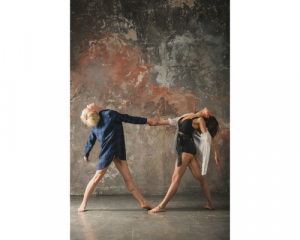
There are many sports that demand a great deal from the body, however, dance is one that requires an alarming amount of flexibility, true stabilizing strength and incredible balance. Dancers are constantly pushing the limits of what the human body can do, and therefore often suffer from multiple injuries through their dancing career. In this article we will look at how our physiotherapists would assess a dancer.
Although dance may not be your sport, this article will highlight elements that our physiotherapists consider in any assessment. The dancer in this article, is just someone who is seeking help with rehabilitation to pursue something they love! This could be you, striving to achieve a goal such as training for a race or competition, going on a hike, being able to pick up your kids or grandchildren pain free!
Dance is a Unique Craft
Dancers flow through an array of beautiful movements to evoke emotions and feelings within the spectators. This is achieved through lines, weight shifts, energetic flow, and explosive power. Throughout these movements and transitions, there are many different loads applied to the body. Having an understanding of movements and our own body is important to mitigate risks, and hopefully prevent injury.
The Foundations: Technique, Range of Motion & Strength
Without effective stability at the core and a proper technique as the foundation, the dance posture, and the rest of the body are at risk. As an example, weakness or lack of activation in the small deep muscles in our back, can lead to overuse of our bigger muscles. This movement pattern can lead to abdominal weakness and create a cascade of changes which further contributes to back pain and stiffness.
Not only do dancers require effective stability because they constantly move their limbs at different tempos and ranges of motion, it is also critical to have proper motor and neuromuscular control (the ability for specific muscles to activate/sequence at the right time).
Common Dance Injuries
Just like other sports, there are common injuries based on the nature of the activity. For dancers these can range from head to toe! Overuse injuries are especially prevalent in adolescent dancers. The combination of a growing body with a large volume of training, needs to be monitored closely to ensure the dancer is not putting their body at risk of long-term damage.
It is essential to note that each body and each injury is different, and one’s capacity will change over time. Some dancers can jump or turn with more ease while others have better balance skills. Thus, the exercises and training programs and devices need to be tailored to meet the dancers specific need to attain optimal training and performance.
Physiotherapy Assessment for Dancers
The Dancer as a Whole
The body moves as a whole (especially in dance!), rather than individual parts and therefore our physiotherapists look at the whole picture. As an example, a simple muscle imbalance in the feet can lead to common foot and ankle injuries, which can then affect the dancer’s movement at the hips and likely make it more difficult to turn on the low back stabilizers we were discussing earlier. The body is great at adapting, whether that is bad compensations or, good movement patterns. Connections and considerations need to be made to get down to the root cause of one’s injury.
Are You Double Jointed?
Hypermobility (excessive movement in joints) is often a desirable trait in dancers. Other non-dancers may just use their hypermobility as a cool party trick: touching their thumbs to their forearms or wrapping their feet around their neck! For dancers with hypermobility, physiotherapists often spend a great deal of time educating them on how to be aware of excessive movement and potential long-term concerns. With hypermobility comes increased laxity in the ligaments, which can lead to decreased feedback from your joints (proprioceptive feedback) and thus create more instability. Physiotherapists work with the dancer to ensure mindfulness and awareness is achieved, to hopefully help prevent future injury while still being able to dance.
Breathing Dysfunction and Dancers
Breathing is an essential human function! While it is essential, often our breathing patterns are dysfunctional and different from person to person. Our physiotherapists can analyze your natural breathing pattern and uncover whether there is a compensatory pattern occurring. Learning and adopting a good breathing pattern and getting your heart pumping is important to help maintain stamina, reduce fatigue and can boost the immune system. For dancers, being aware of the breath and having an efficient breathing pattern is important to optimize energy storage. Learn even more about Breathing Pattern Dysfunction.
Listening to Your Body
There are often warning bells that our body gives us to let us know we are pushing the limits. Being able to listen, act (which may mean rest), and know what our body needs is essential for full recovery. Physiotherapists can help you home in on these skills of awareness to help prevent injuries in the future.
Preventing Injuries in Dancers
Due to the volume and intensity of dance, unfortunately injuries are often a part of a dancer’s life. However, preventative rehab work can hopefully help to reduce the frequency and severity of the injuries. As humans, we have an enormous capacity to change the way we move through range of motion, strength, and performance. Having knowledge and awareness on our anatomy, how it works, movements patterns, our natural body transformations, what signs to look out for to prevent injuries are all key! If we can build knowledge and adapt good habits to prevent injuries and maximize recovery, we can enable the dancer to participate in their craft longer!
Strengthening the Mind
The widespread application of physiotherapy can impact one’s physical, mental, and emotional wellness. Being aware that your mind and external stressors can impact your physical well being and strength is essential to attaining your maximal performance.
Conclusion
Whether you’re recovering from an ankle sprain, managing hip pain, improving turnout mechanics, or preparing for your next performance, specialized physiotherapy for dancers can help you move with greater strength and confidence. At Move Authentically, we understand the unique demands dance places on the body and provide personalized treatment plans designed to support your goals. If you’re ready to perform at your best and stay injury-free, book your appointment today for expert physiotherapy for dancers in Kingston, ON.
0 comments on Physiotherapy Can Help You Dance