

- On August 3, 2026
- 0
 If you’ve been diagnosed with diastasis recti — or you suspect you might have it — you’ve probably had a moment of panic about your workouts. Can you still do core exercises? Will lifting weights make it worse? Is it safe to run, do yoga, or get back into your regular fitness routine?
The good news: with the right approach, most people with diastasis recti can absolutely continue exercising. The key is understanding what’s happening in your body and adjusting how you move, not necessarily whether you move at all.
What Is Diastasis Recti?
Diastasis recti is a separation of the two sides of the rectus abdominis muscle (the “six-pack” muscle) along the midline of your abdomen, known as the linea alba. It’s incredibly common during and after pregnancy, but it can also occur from repeated intra-abdominal pressure, improper lifting mechanics, or significant weight fluctuations, meaning it isn’t exclusive to postpartum bodies.
Signs of diastasis recti often include:
- A visible bulge or “doming” along the midline of your stomach during certain movements (like sitting up)
- A gap you can feel with your fingers above, below, or at the belly button
- Lower back pain or pelvic instability
- A feeling of weakness or lack of support through your core
- Digestive issues or bloating that seems tied to core engagement
Why Working Out the Wrong Way Can Make It Worse
Traditional ab exercises — think crunches, sit-ups, and heavy planks — can actually increase pressure on an already-compromised linea alba, widening the gap rather than helping it heal. This is why “just do more core work” is often the wrong advice for diastasis recti. It’s not about working your abs harder; it’s about working them smarter.
Exercises that involve excessive doming, breath-holding, or straining (like heavy deadlifts done with poor bracing technique) can also aggravate the separation.
Safer Ways to Train with Diastasis Recti
Instead of avoiding exercise altogether, focus on movements that support healing and rebuild functional core strength:
- Diaphragmatic breathing to reconnect with your deep core muscles
- Transverse abdominis activation exercises, which target the deepest layer of your core
- Modified planks and bird-dogs that avoid doming
- Pelvic tilts and gentle bridging to build stability without strain
- Functional strength training with proper bracing and breath mechanics, progressed gradually
The goal is to rebuild the connection between your deep core, pelvic floor, and diaphragm so they work together as a system — rather than isolating your abs in a way that increases pressure on the midline.
Where Pelvic Floor Physio Comes In
This is exactly where pelvic floor physiotherapy makes a difference. Diastasis recti and pelvic floor dysfunction are closely linked — both are part of the same core system, and addressing one without the other often leads to incomplete results.
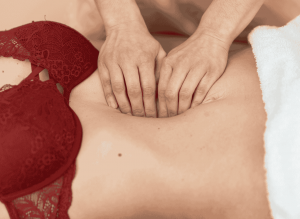
A pelvic floor physiotherapist can assess the extent of your abdominal separation, evaluate how your pelvic floor and deep core are functioning together, and build a personalized program to help close the gap, rebuild strength, and get you back to the activities you love — safely and confidently. This might include internal or external assessment, breathing retraining, targeted exercise progressions, and hands-on techniques to support tissue healing.
Trying to “fix” diastasis recti with generic advice from the internet or a one-size-fits-all workout program often falls short, because everybody’s separation, symptoms, and starting point are different. Learn more about how Pelvic Floor Physiotherapy works.
Ready to Move Authentically Again?
You don’t have to guess your way through recovery or sideline your fitness goals because of diastasis recti. If you’re in Kingston, ON, and looking for expert, personalized guidance, our team at Move Authentically offers pelvic floor physio specifically designed to treat diastasis recti and help you rebuild a strong, supported core. Book an appointment with us today and take the next step toward training with confidence, safely, effectively, and on a timeline that’s right for your body.
0 comments on Working Out with Diastasis Recti: What You Need to Know Before You Train