- On April 11, 2026
- 0
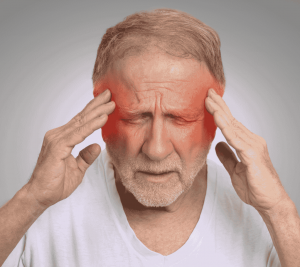
When we think about concussion symptoms, breathing is rarely part of the conversation. But it should be!
Breathing pattern dysfunction is one of the most overlooked contributors to prolonged concussion symptoms, and one of the most impactful to address.
What Happens to Breathing After a Concussion?
A concussion can disrupt the autonomic nervous system, which controls automatic processes like heart rate and breathing.
As a result, many people develop:
- Shallow, upper chest breathing
- Increased breathing rate
- Frequent sighing or yawning
- Breath-holding patterns
- Reduced tolerance to carbon dioxide
These changes often go unnoticed but can significantly affect recovery. Learn even more about the basics of concussion rehab.
Why Breathing Matters for the Brain
Your breathing directly influences:
1. Carbon Dioxide Levels
Carbon dioxide (CO₂) is not just a waste gas, it helps regulate blood flow to the brain.
Over-breathing (hyperventilation) lowers CO₂ levels, which can reduce cerebral (brain) blood flow. This may contribute to:
- Brain fog
- Dizziness
- Headaches
- Fatigue
2. Nervous System Regulation
Dysfunctional breathing tends to keep the body in a more “fight or flight” state. This article describes how our breathing and nervous system are closely intertwined.
This can lead to:
- Increased sensitivity to symptoms
- Poor sleep
- Heightened anxiety
- Slower recovery
3. Postural and Rib Cage Mechanics
Breathing and posture are closely linked.
After a concussion, people often develop:
- Stiff rib cages
- Overactive neck muscles
- Reduced diaphragm function
This can further contribute to neck pain and headaches, two of the most common post-concussion complaints. Often we use manual therapy (hands-on skills) to help with the rib cage mechanics.
Common Signs of Breathing Dysfunction After Concussion
You might suspect breathing is a factor if someone:
- Feels short of breath despite normal oxygen levels
- Gets dizzy during light activity
- Has persistent tightness in the chest or neck
- Struggles with relaxation or sleep
- Scores higher on breathing questionnaires (like the Nijmegen)
How Breathing Retraining Helps
Improving breathing patterns can:
- Restore proper CO₂ balance
- Improve blood flow to the brain
- Calm the nervous system
- Reduce neck and shoulder tension
- Improve exercise tolerance
What Breathing Rehab Might Look Like
Treatment often includes:
- Awareness of breathing patterns
- Nasal breathing strategies
- Diaphragmatic breathing exercises
- Rib cage mobility work
- CO₂ tolerance training
- Gradual exposure to activity with controlled breathing
Importantly, this is not just “take a deep breath.” It’s about retraining how the body breathes at rest and during movement. Learn more about Dysfunctional Breathing Patterns and how it can impact your overall health.
Integrating Breathing Into Concussion Care
Breathing should be assessed alongside:
- Neck function
- Vestibular system
- Visual system
- Exercise tolerance
Addressing breathing can often be a missing piece for people who feel “stuck” in their recovery.
Final Thoughts
If your concussion recovery feels stalled, your breathing may be playing a bigger role than you think. At Move Authentically Physiotherapy, we take a whole-body approach, addressing breathing, the neck, and the nervous system to help you move forward with confidence.
If you’re in Kingston, ON and not seeing the progress you expected, now is the time to take the next step. Book your assessment today and start a more complete, effective recovery.
0 comments on Breathing and Concussions: The Missing Link in Recovery